Navigating CRM software cost can feel like walking through a maze. From free plans to enterprise suites, the price range is vast, but understanding what drives these costs is key to making a smart investment.
CRM Software Cost: Understanding the Basics

Customer Relationship Management (CRM) software has become a cornerstone for businesses aiming to streamline sales, marketing, and customer service. But before diving into features and integrations, it’s crucial to understand the fundamental elements that shape CRM software cost. Pricing isn’t one-size-fits-all—it varies based on deployment models, user count, and functionality. Whether you’re a solopreneur or a multinational corporation, knowing the baseline helps you avoid overspending.
What Is CRM Software?
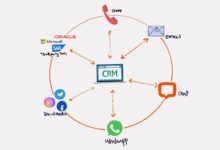
CRM software is a digital platform designed to manage all your company’s interactions with current and potential customers. It consolidates contact information, tracks communication history, automates workflows, and provides analytics to improve customer engagement. Platforms like Salesforce and Zoho CRM are industry leaders, offering scalable solutions for businesses of all sizes.
- Centralizes customer data across departments
- Automates repetitive tasks like email follow-ups
- Enhances sales forecasting with real-time analytics
By integrating CRM into daily operations, companies report up to a 30% increase in sales productivity, according to a Nucleus Research study.
Why CRM Software Cost Matters
The cost of CRM software directly impacts your return on investment (ROI). A poorly chosen system can lead to wasted resources, low user adoption, and operational inefficiencies. On the flip side, the right CRM—priced appropriately for your needs—can boost customer retention, shorten sales cycles, and improve team collaboration. Understanding CRM software cost helps you balance functionality with affordability.
“A CRM isn’t just a tool—it’s a strategic asset. The cost should reflect its value to your business growth.” — Gartner Analyst
Factors That Influence CRM Software Cost
The price tag of CRM software isn’t arbitrary. Multiple variables determine how much you’ll pay monthly or annually. These include the number of users, deployment type, customization needs, and integration requirements. Recognizing these factors empowers you to negotiate better deals and avoid hidden fees.
User-Based Pricing Models
Most CRM providers charge per user per month. For example, HubSpot CRM starts free for basic features, but advanced sales hubs cost $45/user/month. Larger teams mean higher costs, so scalability is essential. Some vendors offer tiered pricing: the more users, the lower the per-unit cost.
- Starter plans: $10–$25/user/month
- Professional tiers: $30–$75/user/month
- Enterprise solutions: $80+/user/month
Be cautious of vendors that don’t disclose pricing transparently. Always request a quote based on your team size to avoid surprises.
Deployment Type: Cloud vs. On-Premise
Cloud-based CRMs (like Salesforce or Microsoft Dynamics 365) are subscription-based and hosted online. They typically cost less upfront but involve recurring fees. On-premise CRMs require a large initial investment for servers, licenses, and IT staff but may save money long-term for large enterprises.
- Cloud CRM: Lower upfront cost, scalable, easier updates
- On-premise CRM: Higher initial cost, full data control, complex maintenance
According to Gartner, over 80% of new CRM deployments are cloud-based due to flexibility and remote access.
Hidden Costs in CRM Software Cost
While vendors advertise low monthly rates, the true CRM software cost often includes hidden expenses. These can double your initial budget if not anticipated. Implementation, training, customization, and support are common culprits. Ignoring them can derail your project timeline and ROI.
Implementation and Setup Fees
Setting up a CRM isn’t plug-and-play. Data migration, system configuration, and workflow design require expertise. Many vendors charge $2,000–$10,000 for professional setup. For complex systems like SAP CRM, this can exceed $50,000.
- Data migration from legacy systems
- Custom field and pipeline creation
- Integration with existing tools (e.g., email, ERP)
Some providers, like Zoho, offer free setup for small teams, while others outsource to third-party consultants.
Training and Adoption Costs
Even the best CRM fails if employees don’t use it. Training programs—whether in-person or virtual—add to the total cost. Companies often underestimate how long it takes for teams to adapt. Poor adoption leads to data silos and wasted investment.
- Internal training sessions: $1,000–$5,000
- External consultants: $100–$200/hour
- Ongoing support and refresher courses
A Capterra report found that 46% of CRM projects fail due to lack of user training.
CRM Software Cost by Tier: Entry, Mid, and Enterprise
CRM solutions are typically grouped into three tiers: entry-level, mid-market, and enterprise. Each serves different business sizes and needs, with corresponding price ranges. Understanding these tiers helps you choose a system that scales with your growth without overpaying for unused features.
Entry-Level CRM Solutions
Designed for small businesses and startups, entry-level CRMs offer basic contact management, email integration, and simple sales tracking. Popular options include HubSpot CRM (free), Insightly ($29/user/month), and Freshsales ($15/user/month).
- Best for teams under 10 users
- Limited customization and automation
- Often include mobile apps and basic reporting
These systems are ideal for businesses testing CRM waters. However, they may lack advanced analytics or multi-channel support.
Mid-Market CRM Platforms
Mid-tier CRMs cater to growing businesses needing deeper functionality. They offer workflow automation, marketing campaign tools, and customer service modules. Examples include Salesforce Sales Cloud ($25/user/month), Zoho CRM Plus ($37/user/month), and Pipedrive ($14.90/user/month).
- Support 10–100 users
- Advanced reporting and forecasting
- Integration with email, calendars, and social media
These platforms strike a balance between cost and capability, making them popular among SMBs.
Enterprise CRM Systems
Large organizations with complex needs use enterprise CRMs like Oracle CX, Microsoft Dynamics 365, and Salesforce Enterprise. These systems offer AI-driven insights, omnichannel support, and deep customization. Pricing is often custom-quoted, starting at $150/user/month and exceeding $300/user/month.
- Full API access and developer tools
- Advanced security and compliance features
- Dedicated account management and SLAs
While expensive, enterprise CRMs deliver ROI through improved customer lifetime value and operational efficiency.
Free vs. Paid CRM Software: Is Free Really Free?
Many vendors offer free CRM software, but is it worth it? Free plans can be a great starting point, but they come with limitations. Understanding the trade-offs helps you decide when to upgrade.
Pros and Cons of Free CRM Tools
Free CRMs like HubSpot CRM, Zoho CRM Free, and Agile CRM provide essential features at zero cost. They’re perfect for solopreneurs or very small teams testing the waters.
- Pros: No financial risk, easy to start, basic automation
- Cons: Limited contacts, no phone support, restricted integrations
For example, HubSpot’s free plan caps at 1 million contacts but lacks advanced reporting and team collaboration tools.
When to Upgrade from Free to Paid
Upgrade when your business outgrows the free plan. Signs include hitting contact limits, needing automation workflows, or requiring mobile access. Most vendors make upgrading seamless, preserving your data and settings.
CRM Software Cost – CRM Software Cost menjadi aspek penting yang dibahas di sini.
- Team growth beyond 5 users
- Need for sales forecasting or pipeline management
- Desire for integrations with tools like Slack or Mailchimp
Upgrading typically costs $15–$50/user/month, a small price for enhanced productivity.
How to Reduce CRM Software Cost Without Sacrificing Quality
You don’t need to spend a fortune to get a powerful CRM. Strategic planning and smart choices can significantly reduce CRM software cost while maintaining functionality.
Negotiate Pricing and Contracts
Vendors often offer discounts for annual payments, multi-year contracts, or bulk user licenses. Don’t hesitate to negotiate—especially if you’re committing to long-term use. Some providers offer nonprofit or startup discounts.
- Ask for a 10–20% discount on annual billing
- Request free training or setup credits
- Inquire about referral or partner programs
For example, Salesforce offers Trailhead for free training, reducing your internal learning costs.
Choose the Right Deployment Model
Cloud-based CRMs reduce upfront IT costs and offer pay-as-you-go pricing. For most businesses, this model is more cost-effective than on-premise solutions. Evaluate your data security needs and IT resources before deciding.
- Cloud: Lower TCO (Total Cost of Ownership)
- On-premise: Higher control, but costly maintenance
A IDC study found cloud CRM reduces TCO by 30–50% over five years.
Top CRM Software Providers and Their Cost Breakdown
With dozens of CRM options available, comparing pricing and features is essential. Here’s a breakdown of leading providers and their CRM software cost structures.
Salesforce: The Industry Leader
Salesforce dominates the CRM market with a comprehensive suite of tools. Its pricing starts at $25/user/month for Essentials and goes up to $300/user/month for Unlimited.
- Essentials: $25/user/month – basic sales automation
- Professional: $75/user/month – workflows, reporting
- Enterprise: $150/user/month – API access, customization
- Unlimited: $300/user/month – 24/7 support, sandbox
Salesforce also charges extra for add-ons like Einstein AI ($50/user/month) and Service Cloud.
HubSpot CRM: Best for Marketing Integration
HubSpot offers a freemium model with powerful marketing tools. The free plan includes contact management and email tracking. Paid tiers start at $45/month for the Starter package.
- Starter: $45/month – 1,000 contacts, basic automation
- Professional: $450/month – marketing hub, workflows
- Enterprise: $1,200/month – advanced reporting, SEO tools
HubSpot’s strength lies in seamless marketing-sales alignment, making it ideal for growth-focused businesses.
Microsoft Dynamics 365: Best for Microsoft Ecosystem
Dynamics 365 integrates tightly with Office 365 and Azure. Pricing starts at $65/user/month for Sales Professional and $210/user/month for Enterprise.
- Sales Professional: $65/user/month – lead management, dashboards
- Sales Enterprise: $210/user/month – AI insights, process automation
- Customer Service: $95/user/month – case management, knowledge base
For organizations already using Microsoft tools, Dynamics offers smooth integration and centralized licensing.
What is the average CRM software cost for a small business?
The average CRM software cost for a small business ranges from $12 to $50 per user per month. Entry-level systems like Zoho CRM or Freshsales start at $15/user/month, while mid-tier platforms like HubSpot or Pipedrive cost $45–$50/month for full access. Additional costs for setup and training should also be considered.
Are there any truly free CRM software options?
Yes, several CRM platforms offer free plans with core features. HubSpot CRM, Zoho CRM Free, and Agile CRM provide contact management, email tracking, and basic automation at no cost. However, they often limit the number of contacts, users, or advanced features, making them suitable for startups or very small teams.
How can I calculate the total cost of ownership for a CRM?
To calculate total cost of ownership (TCO), include subscription fees, setup costs, training, customization, integration, and ongoing support. Multiply the monthly subscription by 12 (or 36 for a 3-year plan), then add one-time and recurring expenses. For example: ($50/user/month × 10 users × 12) + $3,000 setup + $2,000 training = $8,000 annual TCO.
Does CRM software cost include customer support?
It depends on the vendor and plan. Entry-level plans often include email or community support, while higher-tier plans offer phone support, dedicated account managers, and SLAs. Enterprise solutions typically include 24/7 support, but may charge extra for premium assistance or on-site services.
Can I negotiate CRM software pricing?
Yes, most CRM vendors are open to negotiation, especially for annual commitments, multi-year contracts, or large user counts. You can request discounts, free training, waived setup fees, or extended trials. Nonprofits and educational institutions may qualify for special pricing.
Understanding CRM software cost is essential for making a smart, sustainable investment. From free tools to enterprise suites, the price varies widely based on features, deployment, and scalability. By evaluating user needs, hidden costs, and vendor options, you can choose a CRM that delivers maximum value without breaking the bank. The key is to align cost with long-term business goals, ensuring your CRM becomes a growth engine, not a financial burden.
CRM Software Cost – CRM Software Cost menjadi aspek penting yang dibahas di sini.
Recommended for you 👇
Further Reading:
